
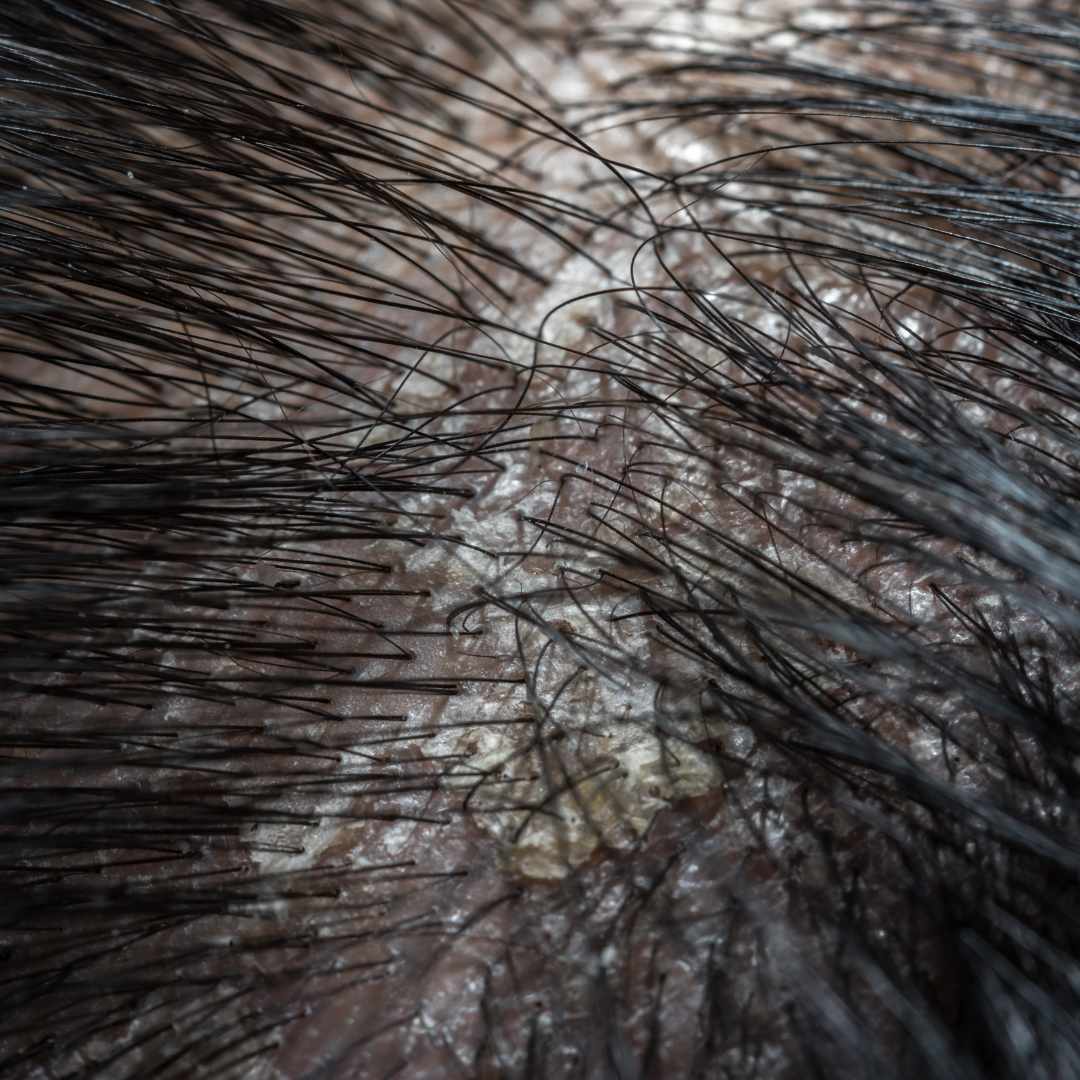
Shampoo for irritated scalp
Shampoo for irritated scalp – your guide to relief and balance
Itching, dryness, redness and irritation of the scalp is more common than you think. It feels uncomfortable and can quickly affect both hair quality and self-confidence. But fortunately, the right shampoo for irritated scalps can make a big difference.
In this guide, you will not only find product recommendations, but also knowledge about causes, ingredients and routines that will help you to a healthier and more balanced scalp - one wash at a time.
Regardless of whether your irritation is due to the change of season, stress or the wrong products, it is possible to create calm and comfort with the right approach. You get concrete tips on how to spot the good ingredients, avoid the harmful ones – and build a routine that suits your scalp type. The goal is not only relief here and now, but lasting balance and well-being.

Why does the scalp get irritated?
An irritated scalp typically occurs as a reaction - either to surroundings, products or the body's own imbalance. Sometimes it's obvious what triggers it. Other times it comes stealthily.
Typical triggers can be anything from hair products with sulfates and perfume to cold air, hormonal changes or stress. Regardless of the cause, it is crucial to respond early. If you ignore symptoms such as itching, tightness and dandruff, you risk the problem developing - and in the worst case leading to hair loss or inflammatory conditions in the scalp.
It is therefore important to be aware of changes and adapt care in time. Here are some common reasons you should know:
-
Aggressive shampoos and styling products: Sulfates, alcohol and perfume can dry out and irritate the skin.
-
Climate impact: Dry air, cold or UV rays can weaken the skin's natural barrier.
-
Hormonal fluctuations and stress: Affects both the condition of the skin and the hair - often without you noticing it straight away.
-
Product build-up and poor cleaning: Leaves residue that clogs pores and disrupts scalp balance.
Other factors such as poor diet, dehydration or excessive hair washing can also worsen the condition. Many also experience problems during transition periods between seasons, when both temperature and humidity change significantly. The earlier you listen to your body's signals and switch to gentler care, the easier it is to restore balance - and prevent more serious problems in the long term.
What should a shampoo for irritated scalp be able to do?
It's not just about washing the hair – it's about supporting the scalp's natural balance. A good shampoo for irritated scalp should be gentle and effective at the same time, without stripping the scalp of its natural oils.
Particularly soothing ingredients include, for example:
-
Tea tree oil
-
Apple cider vinegar
-
Aloe vera
-
Zinc pyrithione
-
Salicylic acid
At the same time, it is important to avoid harsh ingredients, which can worsen the condition. Below is a quick overview:
|
Good ingredients |
Avoid these |
|
Tea tree oil |
Sulfates (SLS/SLES) |
|
Aloe vera |
Artificial perfume |
|
Apple cider vinegar |
Alcohol (isopropyl) |
|
Zinc pyrithione |
Silicone |
|
sulfur (sulfur) |
Dyes |

Products that work: 2 recommended shampoos
When the scalp is in trouble, the shampoo should be a help, not a burden. Here are two shampoos for irritated scalps that have been developed with the very purpose of soothing and balancing:
1. SheaMoisture Apple Cider Vinegar Anti-Dandruff Shampoo
This shampoo combines apple cider vinegar, tea tree oil and salicylic acid to soothe itching, reduce dandruff and restore the pH balance of the scalp. It is both sulfate- and perfume-free and ideal for those who want natural and effective relief.
2. Sulfur8 Medicated Shampoo
A classic in scalp care. With its active ingredient, sulphur, it effectively fights inflammation and oily dandruff. Suitable for more serious scalp problems and can be used as a supplementary treatment 1-2 times a week.
How to create a caring routine
It's tempting to think that one product solves everything. But an irritated scalp requires a combination of the right products and gentle habits. The most important thing is that you are consistent - and patient.
Start by washing your hair 2-3 times a week with an irritated scalp shampoo that suits your scalp condition. Avoid hot water and massage gently with your fingertips. Rinse thoroughly and pat hair dry with a towel - avoid rubbing.
In the lengths, you can advantageously use a few drops of oil, which protects and adds moisture - without burdening the scalp. Here you can find good opportunities in this collection of serums and hair oils.
When the season comes into play
The condition of the scalp is not constant throughout the year. It is affected by weather, temperature and humidity, which is why you should adjust your care routine according to the season.
Examples of seasonal needs:
-
Winter: Dry radiator air and cold require moisturizing shampoo and extra protection.
-
Summer: The scalp sweats more - use a light cleansing, soothing shampoo and protect with a hat or scarf.
-
Autumn/Spring: Many experience increased hair loss. It is natural, but you can support the hair with mild products and a diet with zinc and B vitamins.
During transitional periods, it is also a good idea to give the scalp a little extra attention with a soothing serum or a gentle scrub that removes dead skin cells and product residues. Avoid sudden changes between very hot and cold environments, and remember to give both hair and scalp time to adapt to the new conditions. You will find many seasonal solutions in HairSouk's shampoo category, where you can filter as needed and choose products that suit the exact time of year you are in.

What else can you do?
Some small, daily measures can make a big difference - especially if you tend to have sensitive skin. It's not just about what you put in your hair, but also about your habits and surroundings.
Make sure that:
-
Change pillowcases regularly (preferably silk for less friction)
-
Avoid overwashing the hair
-
Minimize use of dry shampoo and hairspray
-
Avoid direct heat to the scalp
-
Support the scalp and hair from the inside with omega-3 and vitamins
In addition, you can introduce short daily scalp massages to increase blood circulation and stimulate the hair follicles. Drink plenty of water throughout the day, as dehydration often worsens skin dryness. If you use styling tools, always apply heat protection and let the scalp "air" regularly - that is, days completely without styling products. These small adjustments can make a noticeable difference over time.
When should you seek help?
If you have tried gentle care and customized products without effect for several weeks, it may be time to talk to a professional. Signs such as persistent redness, large amounts of flakes, burning or hair loss should not be ignored.
A dermatologist or trichologist (hair specialist) can make an accurate diagnosis and assess whether medical treatment is needed.

The shampoo is your first line of defense
Finding the right shampoo for irritated scalp is an important part of the journey to healthy hair and comfort. When you choose products with mild, effective ingredients and support the scalp with good habits, you will experience a significant difference.
Remember: Your scalp is skin – and it deserves just as much care and attention as the rest of your body.
Take the first step today and explore HairSouk, where you will find solutions for both itching, dryness and dandruff - and not least peace of mind.
It's not about quick fixes, but about creating a routine that protects and strengthens the scalp over time. By choosing gentle products that work with – and not against – your skin, you can prevent problems before they occur. It not only provides a healthy scalp, but also stronger, more resilient hair. Your shampoo is therefore not just a wash – it is an investment in your daily well-being.
Related Posts

Hvordan plejer man sit hår?

Pleje af skæg

Hårfarve under graviditet

Længere øjenvipper

Saltvand til håret

Hårtyper

Hudpleje til sensitiv hud
