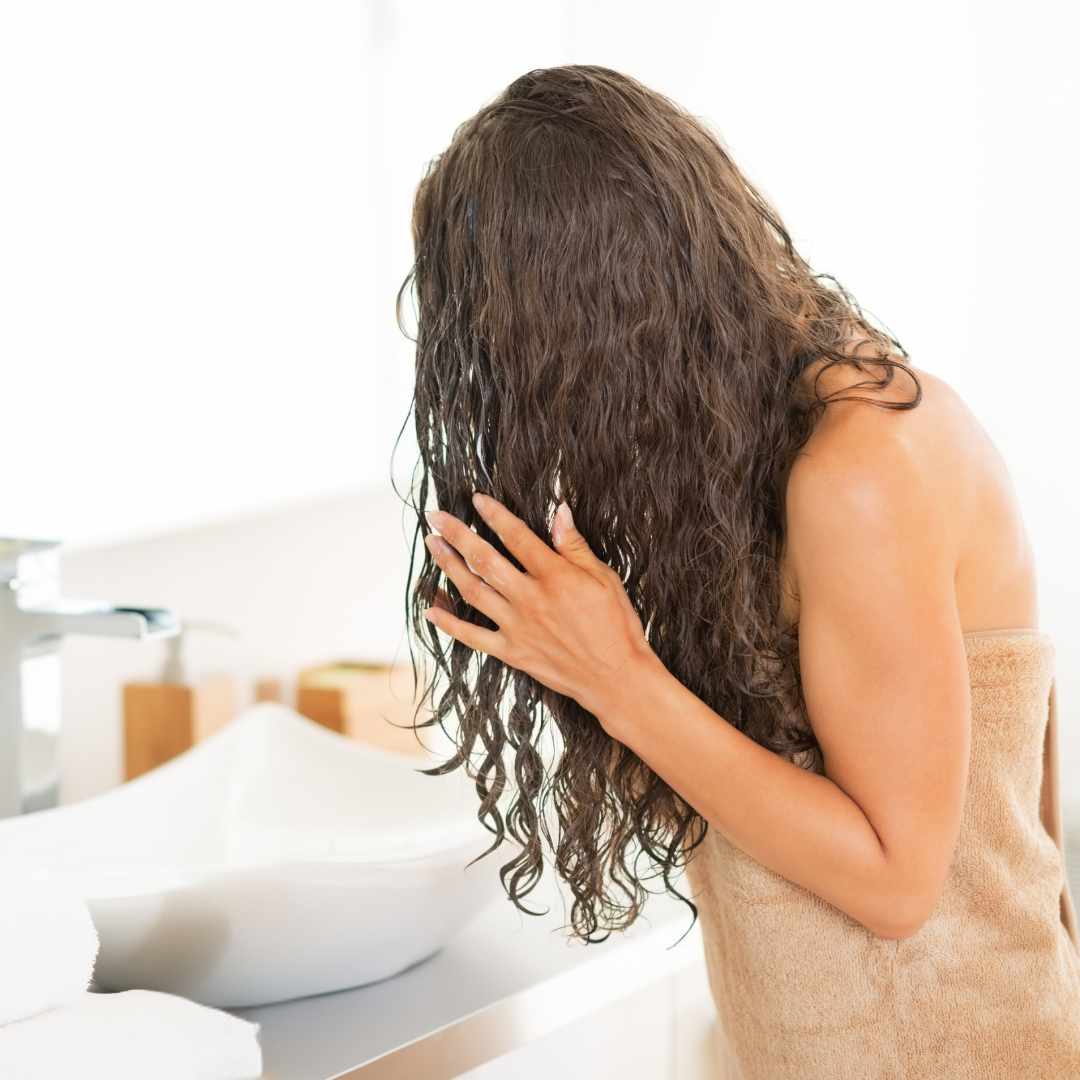
Damaged hair after dyeing
Damaged hair after coloring - How to save your hair
Coloring your hair is a popular way to renew your look, but it can also lead to damage if not treated correctly. Many people find that their hair becomes dry, brittle and loses its natural shine after colouring. This is due to the chemical processes that hair dyes go through to change the pigment in the hair strands.
But what do you do when the damage is done? And how can you prevent your hair from being too damaged by future dyes? In this guide, we delve into why coloring can damage hair, which products can help restore it, and how to best take care of your hair going forward.

Why is hair damaged after dyeing?
Hair dye contains chemicals that open the hair's cuticle to change the color. This can affect the natural structure of the hair and make it more vulnerable over time.
Some of the most common reasons for hair damage after a dye include:
-
Oxidizing agents such as ammonia and peroxide: These ingredients open up the hair shaft, which can result in dry and brittle hair.
-
Overpainting: Repeated coloring at short intervals can break down the keratin structure of the hair.
-
Lack of care after dyeing: If you do not rebuild the hair with the right products, it can lose its elasticity and become weak.
-
High temperatures from styling tools: Colored hair is more prone to heat damage, which can lead to split ends and broken strands.
Once you understand what's damaging your hair, it's easier to take the necessary steps to rebuild it.
The natural balance of the hair and why it is affected by colouring
Hair has a natural balance between proteins, lipids and moisture, which is essential for its health. When this balance is disturbed, the hair becomes more fragile and susceptible to damage. The surface of the hair, also called the cuticle, consists of small protective cells that cover the hair strand and protect it from external influences.
Under normal circumstances, these cells lie flat, giving the hair a smooth and shiny surface. When you dye your hair, the chemicals in the hair dye force the cuticle to open up to allow the color pigments to penetrate. However, this process can make the hair porous and lead to moisture loss. If the cuticle does not close properly after dyeing, the hair will feel dry, tangle more easily and lose its natural elasticity.
An imbalance in the hair's moisture and protein content can also lead to overelasticity or hair that breaks at the slightest stress. To restore this balance, it is important to supply the hair with the right nutrients that can rebuild it from within, including proteins, natural oils and moisturizing ingredients.
What does damaged hair look like?
If you have recently colored your hair and find that it no longer feels soft and healthy, this could be a sign of damage.
Signs of damaged hair include:
-
Lack of elasticity – the hair breaks easily when you pull on it
-
Split ends that make hair look worn
-
A rough and dry texture, especially in the lengths
-
Dull and lifeless hair that lacks shine
-
Increased hair loss or broken hair strands
When your hair shows these signs, it may be important to act quickly to prevent further damage.

Reconstruction of damaged hair after dyeing
Use a deep-acting hair mask
One of the most effective ways to restore hair can be to use an intensive hair mask that adds moisture and nourishment.
👉 Try one deep treatment mask to rebuild your hair from the inside.
When choosing a hair mask, you should look for ingredients such as:
-
Keratin: Strengthens the hair structure and reduces broken strands.
-
Hyaluronic acid: Binds moisture in the hair and gives it a healthy shine.
-
Argan oil: Adds deep-acting nourishment and seals the moisture in the hair.
By using a hair mask once or twice a week, you can gradually restore damaged hair.
Apply hair oil daily
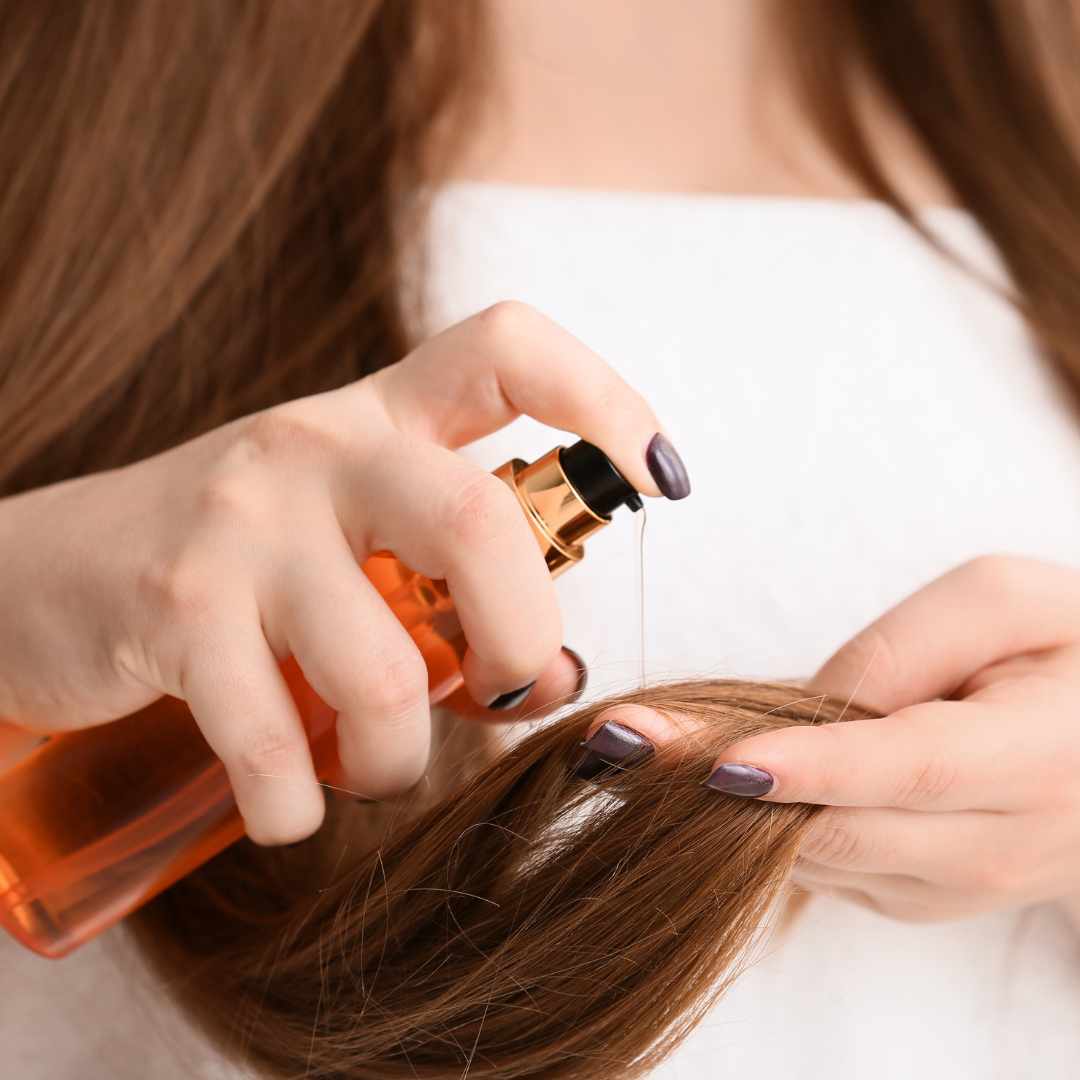
In addition to hair masks, hair oils are a must for damaged hair after coloring. Oils can help seal in the moisture in the hair and protect it from further drying out.
👉 Find a nurturing one hair oil or serum here to care for your hair.
Benefits of using hair oil include:
-
Reduces the appearance of split ends
-
Adds a beautiful, natural shine to the hair
-
Reduces frizz and frizz
-
Protects the hair against external influences such as sun and pollution
Hair oils can be used on both wet and dry hair to add extra care and protection.
Avoid harmful styling habits
If you often use hot styling tools such as straighteners, curling irons or blow dryers, you can make the damage worse.
To protect your hair you should:
-
Use a heat protectant spray before styling
-
Use lower temperatures on your styling tools
-
Let the hair air dry as often as possible
If you are addicted to hot styling tools, you can try to find alternative ways to style your hair, e.g. by using heat-free methods such as braids or foam coils.

How do you avoid damage from future dyes?
Although damage can occur after hair coloring, there are several things you can do to minimize it:
-
Choose a milder color method: Semi-permanent or ammonia-free hair colors are more gentle than permanent colors.
-
Give your hair a break between colorings: Allow at least 6-8 weeks between each coloring to reduce stress on the hair.
-
Use a protein treatment before dyeing: This strengthens the hair and makes it more resistant to damage.
-
Rinse the hair in cold water after washing: This helps to close the hair's cuticle and retain moisture.
By following these tips, you can ensure that your hair remains healthy and strong, even after repeated dyeing.
Natural treatments for damaged hair after coloring
Although professional hair products can make a big difference to damaged hair after coloring, there are also natural treatments that can help restore hair's strength and shine. Many natural ingredients contain vitamins, minerals and fatty acids that nourish the hair without burdening it with unnecessary chemicals.
A popular method is to use coconut oil as a deep-acting hair treatment. Coconut oil has the ability to penetrate the hair shaft and reduce protein loss, making hair stronger and more resilient. Another effective ingredient is aloe vera, which is known for its moisturizing and soothing properties. Aloe vera can be used as a leave-in treatment or mixed with your regular conditioner to add extra moisture. In addition, a hair regimen made from egg yolks can be beneficial, as eggs contain proteins and biotin that contribute to hair health.
By combining natural treatments with professional hair products, you can give your hair the best possible care and ensure that it remains strong and healthy, even after repeated dyeing.
The importance of diet for hair health after dyeing
While external hair care is essential for repairing damage, supporting the hair from within is just as important. Hair health is closely related to what you eat, and a nutritious diet can help strengthen hair strands and make them more resistant to damage from coloring. Proteins are particularly important as hair is primarily made up of keratin, which is a form of protein.
A diet rich in lean meat, eggs, beans and nuts can help rebuild hair structure. Omega-3 fatty acids found in fatty fish such as salmon, walnuts and chia seeds can improve hair elasticity and prevent dryness. Vitamins and minerals such as biotin, iron, zinc and vitamins A, C and E also play a significant role in hair growth and repair.
If you find that your hair is extra fragile after dyeing, it may be worth looking at your diet and considering supplementing with vitamins that support healthy hair.

How to keep your hair healthy after dyeing
Damaged hair after coloring can be frustrating, but it is possible to restore hair health with the right care. By using deep-acting hair masks, hair oils and avoiding harmful styling habits, you can gradually improve the condition of your hair.
Also remember to prevent damage by choosing gentle coloring methods and giving the hair the care it needs between colorings.
Related Posts

Hair stimulating shampoo

Conditioner for curly hair

Sleeping with wax in your hair

Tea tree oil shampoo
Oil in the hair overnight
How to avoid hair loss
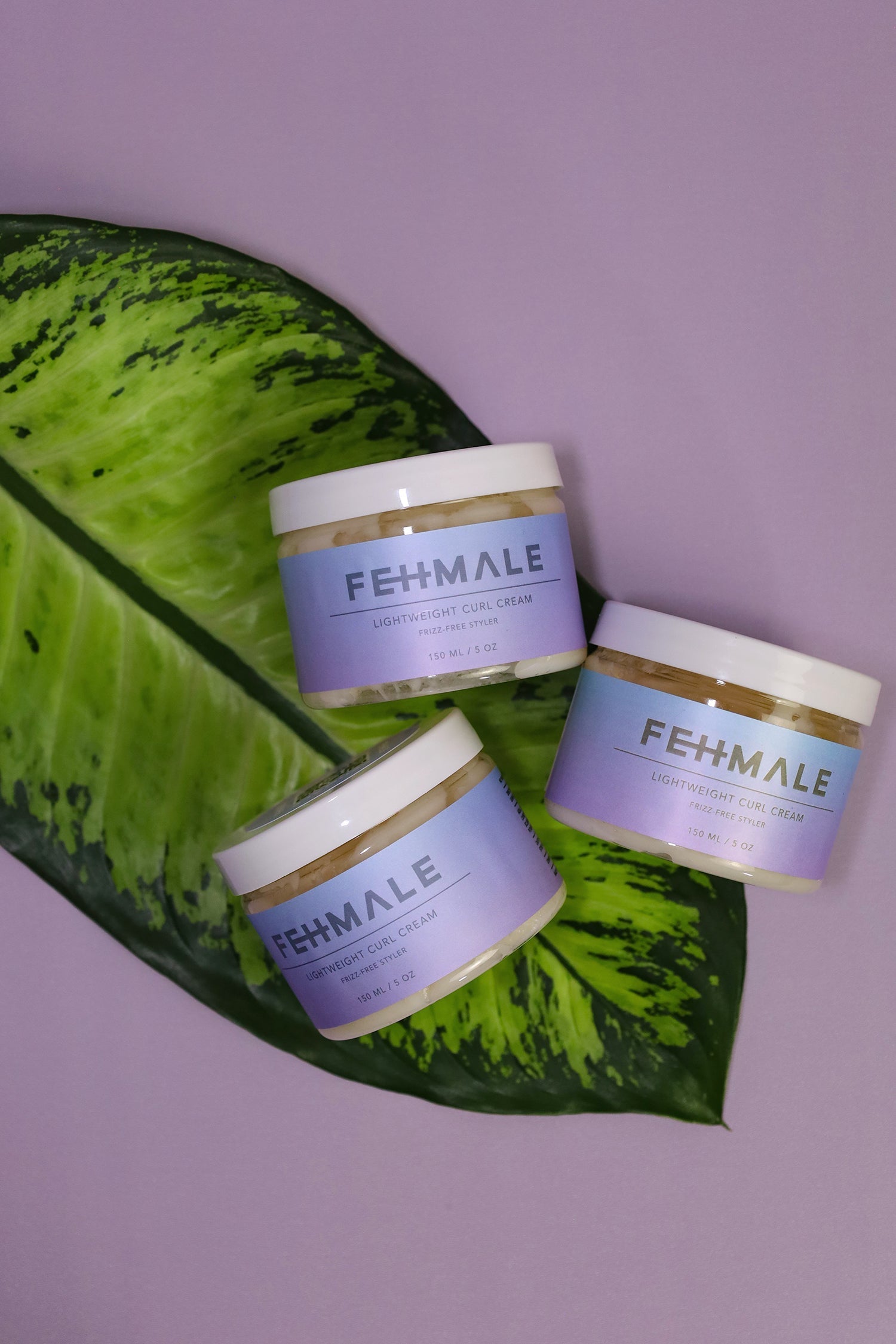
Healthy, beautiful curls start with the right care