Greasy hair
Greasy hair - why it happens and what you can do about it
Greasy hair is one of the most common – and frustrating – challenges when it comes to hair care. The hair feels heavy, looks dirty quickly and can be difficult to style. If you struggle with greasy hair, you're far from alone. Fortunately, there is both an explanation and a solution.
Greasy hair is typically caused by an overproduction of sebum in the scalp – a natural oil that the body produces to protect and moisturize hair and skin. When the balance is disturbed, the hair starts to look greasy much faster than usual. It can feel like your hair never really gets clean, no matter how often you wash it. For some it starts in puberty, for others it appears suddenly as an adult.
But there is hope. With the right products, a little knowledge of the causes and small adjustments in your hair care routine, you can regain the feeling of freshness and balance in the scalp - and get hair that both feels and looks healthier for a longer period of time. In this guide, we dive into why hair becomes greasy, what you can do yourself and how to choose a shampoo that works - without creating new problems.

What causes greasy hair?
Greasy hair occurs when the sebaceous glands in the scalp produce too much oil (sebum). Sebum in itself is healthy – it helps protect the hair and scalp from drying out – but in excessive amounts it collects and makes the hair look greasy and flaky.
Several factors can help stimulate this overproduction of fat:
-
Frequent hair washing, which removes the natural oils and causes the scalp to compensate with even more sebum.
-
Hormonal changes, e.g. during puberty, during menstruation or with hormonal contraception.
-
Using wrong hair products, which clogs the scalp and disrupts its natural balance.
-
Stress, which affects the body's hormonal balance and thus also sebum production.
-
Diet and lifestyle, especially if you eat a lot of fatty or sugary food.
How does greasy hair feel and look?
Typical signs of oily hair include:
-
A heavy feeling in the hair - especially at the scalp
The hair may feel flat and as if it hangs "tight" on the head without air or life.
-
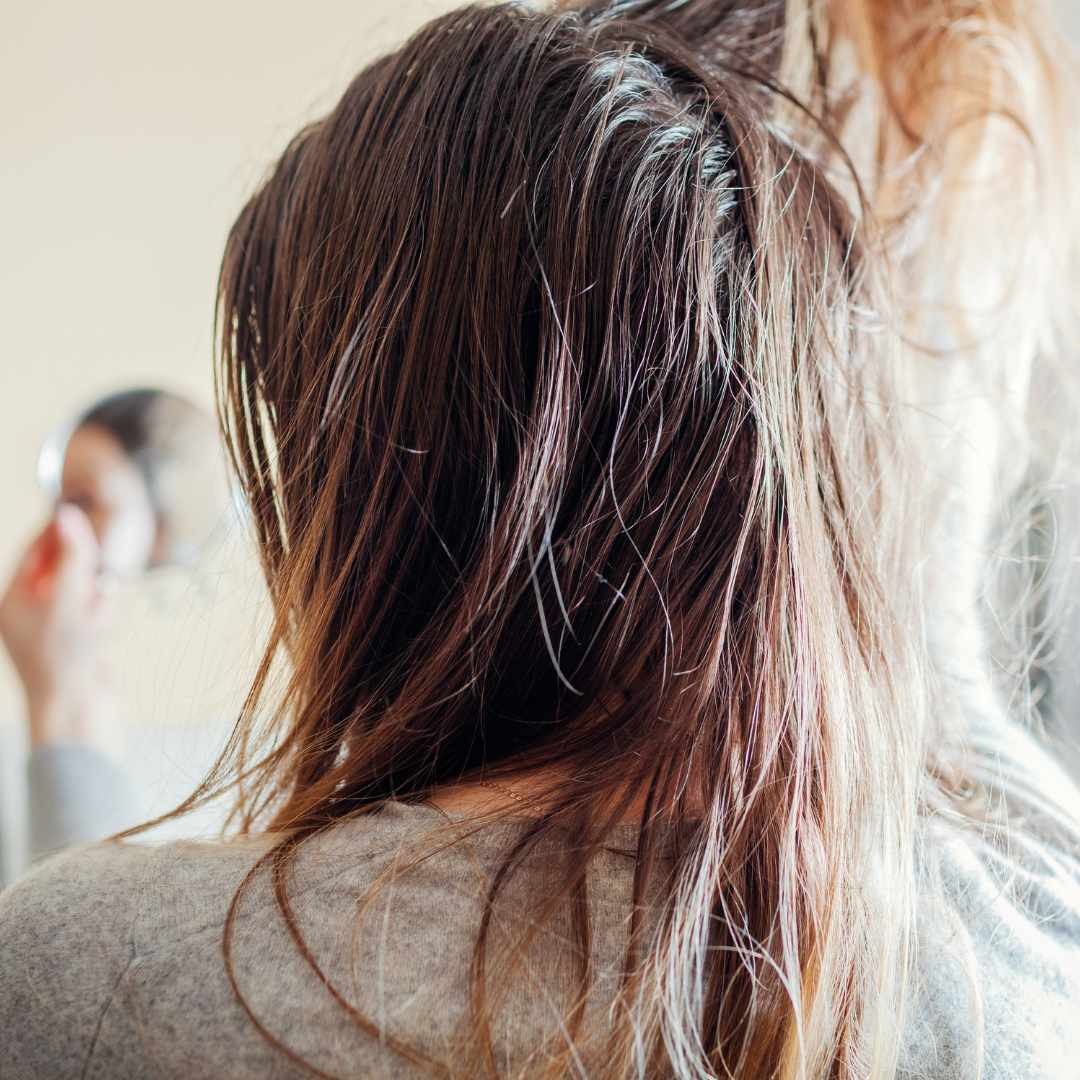
Hair that quickly looks dirty or “wet”, even shortly after washing
Many people find that their hair already feels greasy again the next day – or even the same evening as a morning hair wash.
-
Slick bangs without volume
Greasy hair loses its natural fullness, and the hairstyle quickly collapses.
-
Dry ends and greasy bottoms – a combination that can be particularly challenging
This imbalance can make it difficult to find a shampoo that cleans enough without drying out the hair further.
-
Itching, irritation or scaling
Many people find that greasy hair goes hand in hand with a scalp that feels "wrong" - itchy, irritated or flaky. This is often a sign that sebum production has become unbalanced.
Greasy hair can be more than a cosmetic problem – it can affect your well-being and confidence in everyday life. Fortunately, it is possible to find a routine that brings both hair and scalp back into natural balance.

The most important thing: Choose the right shampoo
If you tend to have oily hair, it is essential to use a cleansing and balancing shampoo that gently removes excess oil without drying out the scalp.
A good example is Curls Hair Under There Detox Tea Cleansing Shampoo, which has been developed to detox the scalp and provide an in-depth but gentle cleanse. It contains i.a. green tea and bamboo extract, which help soothe irritated skin and remove build-up without disturbing the natural moisture balance.
When choosing a shampoo, you should look for products that are:
-
Sulphate-free, so they don't dry out the scalp and cause overproduction of oil
-
Rich in natural ingredients that soothe and clean gently
-
Developed for oily hair or unbalanced scalp
You can find more shampoos adapted to different needs in our assortment at HairSOUK.
Good advice for you with oily hair
1. Avoid washing your hair too often
While it may be tempting to wash your hair every day when it feels greasy, it can actually make the problem worse. Frequent washing removes the natural oils, causing the scalp to compensate by producing even more oil. Therefore, try to taper off gradually to every second or third day. If necessary, use a mild and balancing shampoo - and preferably one detox shampoo, which cleans without drying out. Dry shampoo can be a help between washes, but should not replace regular washing over a long period of time.
2. Avoid touching the hair all the time
Every time you touch your hair, you transfer grease, dirt and bacteria from your fingers to the scalp and hair. It triggers fat production and can irritate the skin at the same time. Try to leave your hair alone during the day and avoid styling or straightening it unnecessarily. Select any a hairstyle where the hair is kept away from the face and does not tempt you to constantly adjust it.
3. Rinse thoroughly and use cold water
Shampoo and conditioner residues in the hair can contribute to the hair quickly clumping together and becoming greasy. Make sure to rinse your hair thoroughly - preferably for several minutes - and finish with cold water. The cold water closes the hair follicles and helps reduce the overproduction of sebum. It also gives the hair a shiny finish and refreshes the scalp.
4. Use light products
Oily hair does not need heavy oils, silicones or thick creams, which can easily weigh the hair down and make it look dirtier. Instead, choose light, weightless products such as foam, mist or leave-in conditioner, which does not stress the hair strands. Also look for products that have been specifically developed for oily or unbalanced scalps.
5. Be careful with dry shampoo
Dry shampoo can be a lifesaver on busy days, but it's important not to overdo it. Too much dry shampoo can clog the pores of the scalp, causing itching, irritation or even small pimples. Use it as a temporary solution and make sure to wash it out thoroughly the next time you wash your hair. If you use dry shampoo often, a weekly one can deep cleansing shampoo help keep the scalp clean and balanced.

What about greasy hair and curly hair?
Curly hair can easily be greasy at the scalp and at the same time dry in the lengths. In this case, it is important to choose products that balance the scalp without drying out the curls. A gentle detox shampoo, as mentioned earlier, can be ideal. Follow up with a moisturizing conditioner in the lengths, but avoid applying it to the scalp.
Natural solutions - do they work?
Some swear by natural solutions like apple cider vinegar, green tea and clay when it comes to oily hair. In some cases, they can help to restore balance to the scalp, but the effect varies from person to person. If you try natural remedies, pay attention to how your scalp reacts – and stop if irritation occurs.
When should you seek professional help?
If your hair becomes greasy already a few hours after washing, if you experience severe itching or if pimples appear on the scalp, this may be a sign of an imbalance that requires professional treatment. The same applies if you have tried many products without success. Persistent greasy hair can be caused by anything from hormonal changes and overproduction of sebum to fungus or irritation from unsuitable products.
A hair specialist, hairdresser or therapist specializing in scalp problems can help you find the right solution – both in terms of products and lifestyle factors. They can analyze your scalp, recommend gentle but effective cleaning products and possibly suggest changes to your hair care routine. In some cases, it may also be relevant to look at diet, sleep and stress level as part of the whole.

Summary: Get rid of greasy hair
Greasy hair can be annoying, but it's not something you have to learn to live with. With the right shampoo, a little patience and adjustments in your routine, you can get rid of the problem - and find your way back to hair that feels light, clean and fresh. It's about creating balance in the scalp, not just removing the fat temporarily.
Remember that it may take some time to find the right solution – especially if your sebaceous glands have become overstimulated over time. But with targeted effort and conscious choices, both in care and habits, you can have a healthier relationship with your hair - and a scalp that thrives.
Related Posts

Hair stimulating shampoo

Conditioner for curly hair

Sleeping with wax in your hair

Tea tree oil shampoo
Oil in the hair overnight
How to avoid hair loss
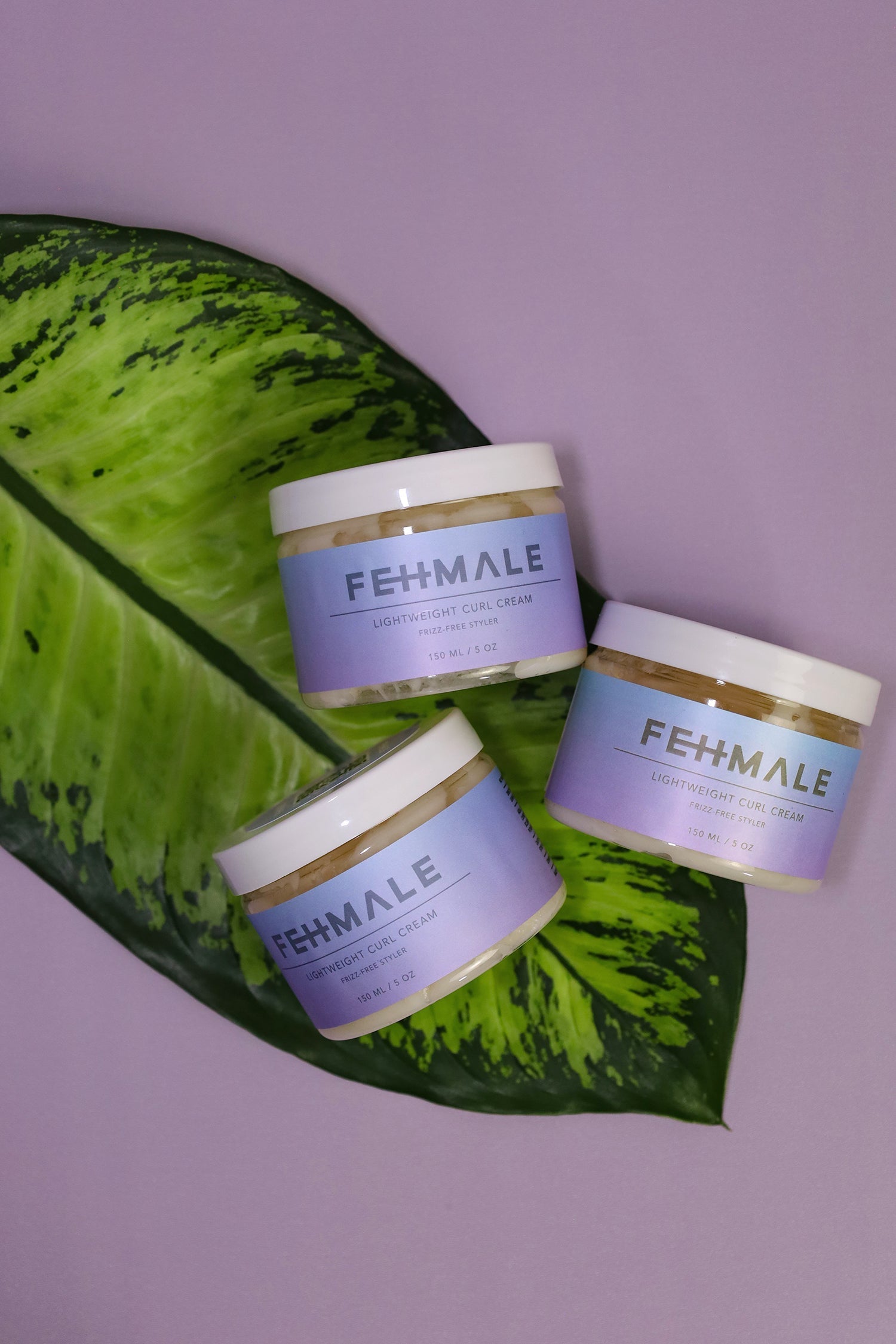
Healthy, beautiful curls start with the right care