Oil for dry scalp
Oil for dry scalp - your way to a healthy scalp and strong hair
Dry scalp is a widespread nuisance that itches, flakes and can lead to discomfort or irritation. For some it is only during the winter - for others a constant challenge. Fortunately, there is an effective and natural solution: oil for dry scalp.
A nourishing scalp oil can both add moisture, soothe the skin and strengthen the natural barrier that protects against drying out. When you choose the right oil and use it regularly, you can not only get rid of itching and dandruff - but also improve hair growth and scalp health in the long term.
In this blog, we take a closer look at what causes dry scalp, how oil treatments work - and which products you should choose if you want to relieve and restore balance.

Why do you get dry scalp?
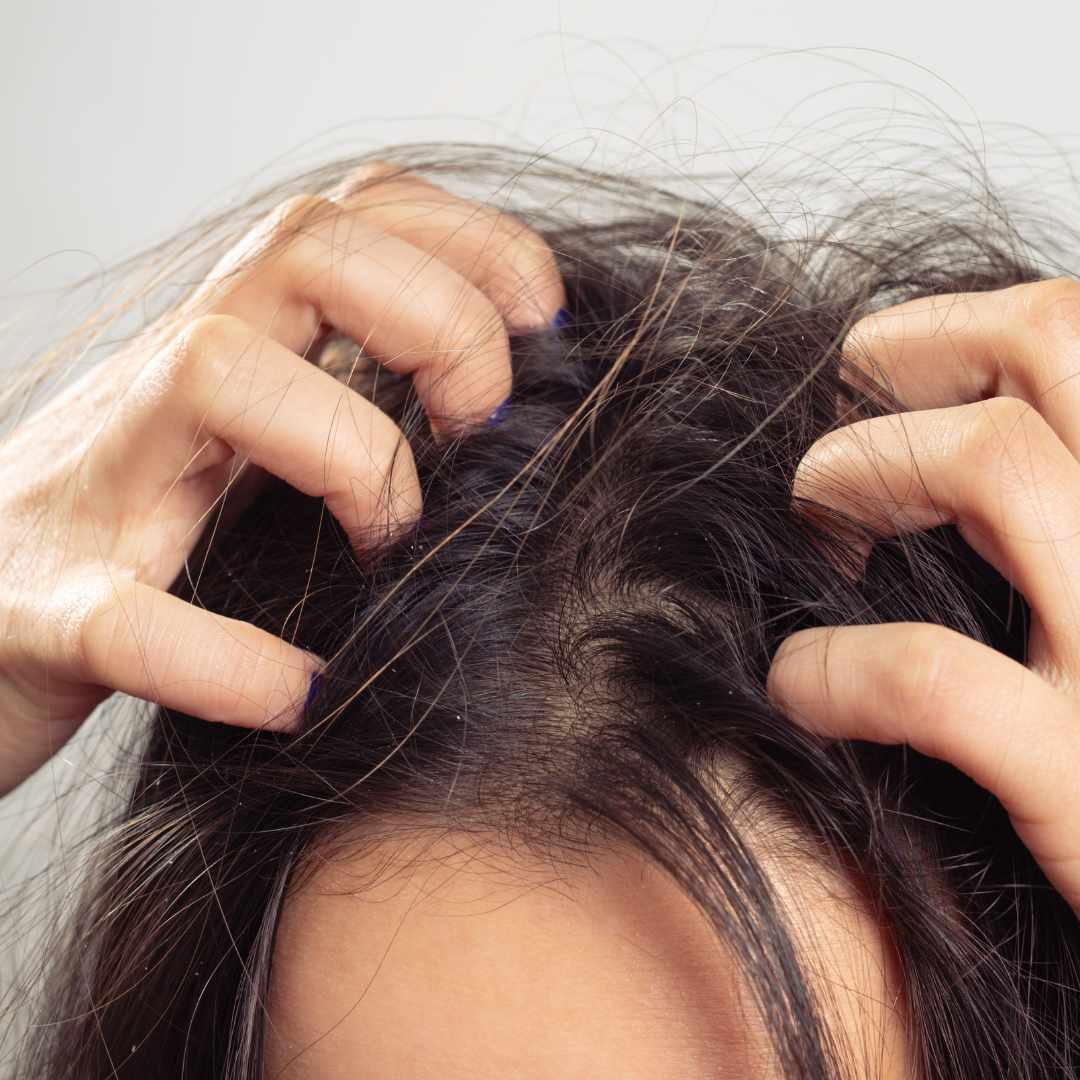
A dry scalp occurs when the skin's natural moisture barrier is disrupted. It can lead to dandruff, itching, redness and in some cases even impaired hair growth. There are many different causes – and it is important to identify the right one before choosing treatment.
1. Hair products with drying ingredients
Frequent use of shampoos with sulfates and alcohol can dry out the scalp. These ingredients not only remove dirt and product residues - but also the skin's natural oils, which otherwise protect against drying out. When the scalp loses its protective oil barrier, the skin becomes more vulnerable to irritation.
2. Climate and season
Cold and dry winter weather is a frequent cause of dry scalp. In the winter months, the humidity drops both outside and indoors (e.g. when using radiators), which dries out the skin - including the scalp. Many therefore experience increased dandruff and itching during this period.
3. Lifestyle factors and diet
Poor hydration, low intake of essential fatty acids and vitamin deficiencies – especially B vitamins and zinc – can also lead to an imbalance in the scalp. When the body does not get the right nutrients, the skin cells cannot renew themselves optimally, which can lead to dryness and peeling.
4. Stress and hormonal changes
Stress can affect the body's ability to maintain a healthy skin barrier. When the body is on alert, resources are redistributed and the skin can take second place. Hormonal changes - for example during pregnancy, menopause or puberty - can cause fluctuations in sebum production and thus contribute to a dry scalp.
5. Underlying skin diseases
Some skin diseases can cause symptoms similar to ordinary dry scalp - but which require more specific treatment. This applies to, among other things:
-
Seborrheic Eczema: Gives yellowish scales and redness
-
Psoriasis: Characterized by thick, scaly plaques
-
Contact dermatitis: Occurs as a reaction to certain products
If you experience persistent or very severe symptoms, you should always have it evaluated by a dermatologist.
6. Hair washing and styling routines
Washing your hair too often – or with too hot water – can dry out the scalp. Likewise, using heating devices such as blow dryers, straighteners and curling irons can worsen dryness, especially if you do not use heat protection products. It's all about balance: too little washing can lead to the accumulation of dead skin cells, while too much can strip the skin of moisture.

Symptoms of dry scalp – and how to spot them
Dry scalp can be confused with dandruff, but the symptoms differ:
-
Small, dry flakes of skin in the hair (as opposed to oily dandruff)
-
Itching and tight feeling
-
Dryness, especially after washing hair
-
Redness or small cracks in the skin
Do you suspect that your shampoo or hair washing routine is the culprit? Try switching to sulfate-free products and see if it helps - preferably in combination with oil care.
What does an oil treatment do?
When you use an oil for dry scalp, you supply the scalp with nourishment and moisture, while protecting the skin from further drying out. The best oils have several functions:
-
Softens and soothes irritated skin
-
Creates a protective layer against wind, cold and styling products
-
Improves blood circulation with light massage
-
Promotes healthy hair growth and stronger hair roots
A good oil must penetrate the skin - not just lay down as a greasy layer.
Product recommendation: Natural care with powerful ingredients
A strong choice is Aunt Jackie's Elixir Hair & Scalp Oil, which combines Jamaican black castor oil, grape seed oil and saw palmetto. It is particularly suitable for dry hair and scalp, and it has both a strengthening and moisturizing effect.
Massage a few drops into the scalp 2-3 times a week and leave it on overnight for maximum effect.
When the itch is intense – use targeted treatment
For persistent itching, we recommend a more active formula such as As I Am Dry & Itchy Scalp Care Oil Treatment. It contains tea tree and olive oil, which both soothes and cleanses. A really good choice if your scalp is irritated and you need quick relief.
Apply to dry hair, massage lightly into the scalp and let the product work. Then rinse with a mild sulfate-free shampoo.

How to use oil for dry scalp - step by step
It is not difficult to make an oil treatment work, but the technique is of great importance for the result. Make it a calm routine where you really pamper your scalp and give it time to absorb nourishment.
-
Divide the hair into sections, so you can easily get right down to the scalp. Use clips or hair elastics, especially if you have a lot or curly hair.
-
Drip or spray oil directly onto the skin - use only a small amount at a time to avoid greasy lengths. You can always add more if the skin absorbs it quickly.
-
Massage for 3-5 minutes with the fingertips in small circular movements. It stimulates blood circulation, loosens dead skin cells and helps the oil to penetrate deeper.
-
Leave the oil on for at least 30 minutes – and preferably overnight with a towel or a cotton hat. The longer it is allowed to work, the greater the effect you get on both moisture and calmness in the skin.
-
Wash hair gently with a mild sulfate-free shampoo. Avoid too hot water, which can dry out and remove the oil too quickly.
-
Repeat 1-3 times a week, depending on how dry your scalp is. With regular use, you can prevent dryness and create a healthy environment for hair to grow in.
Remember: Oil treatment is not just care – it's also self-indulgence. Use the time to relax, breathe deeply and give yourself a break from the hustle and bustle of everyday life.
Easy and quick solution: Argan oil in everyday life
Do you want something that is non-greasy and can be used daily? So is Agadir Argan Oil Treatment a good offer. It is quickly absorbed and is particularly good for those of you who experience dryness in the scalp after styling or blow-drying.
Use it as a leave-in treatment or as an extra moisturizer in the ends.
Find more options for dry scalp
Want to see more oils, serums and treatments created for dry scalps? So take a look Hairsouk's complete oil and serum category, where you will find carefully selected products for this particular challenge.
Whatever your hair type or challenge, there is an oil that can help.

Final advice: How to care for your scalp all year round
✔ Drink plenty of water – also in winter
✔ Avoid daily hair washing
✔ Choose sulfate-free shampoo and conditioner
✔ Air the scalp - avoid wearing a hat all day
✔ Massage the scalp regularly
A healthy scalp is the prerequisite for healthy hair. With the right oil for dry scalp, you can get rid of itchiness, irritation and dryness - and get one step closer to stronger and shinier hair.
Do you want help choosing the right oil?
Visit Hairsouk.dk and get inspiration among the best care products for both hair and scalp.
Related Posts

Hair stimulating shampoo

Conditioner for curly hair

Sleeping with wax in your hair

Tea tree oil shampoo
Oil in the hair overnight
How to avoid hair loss
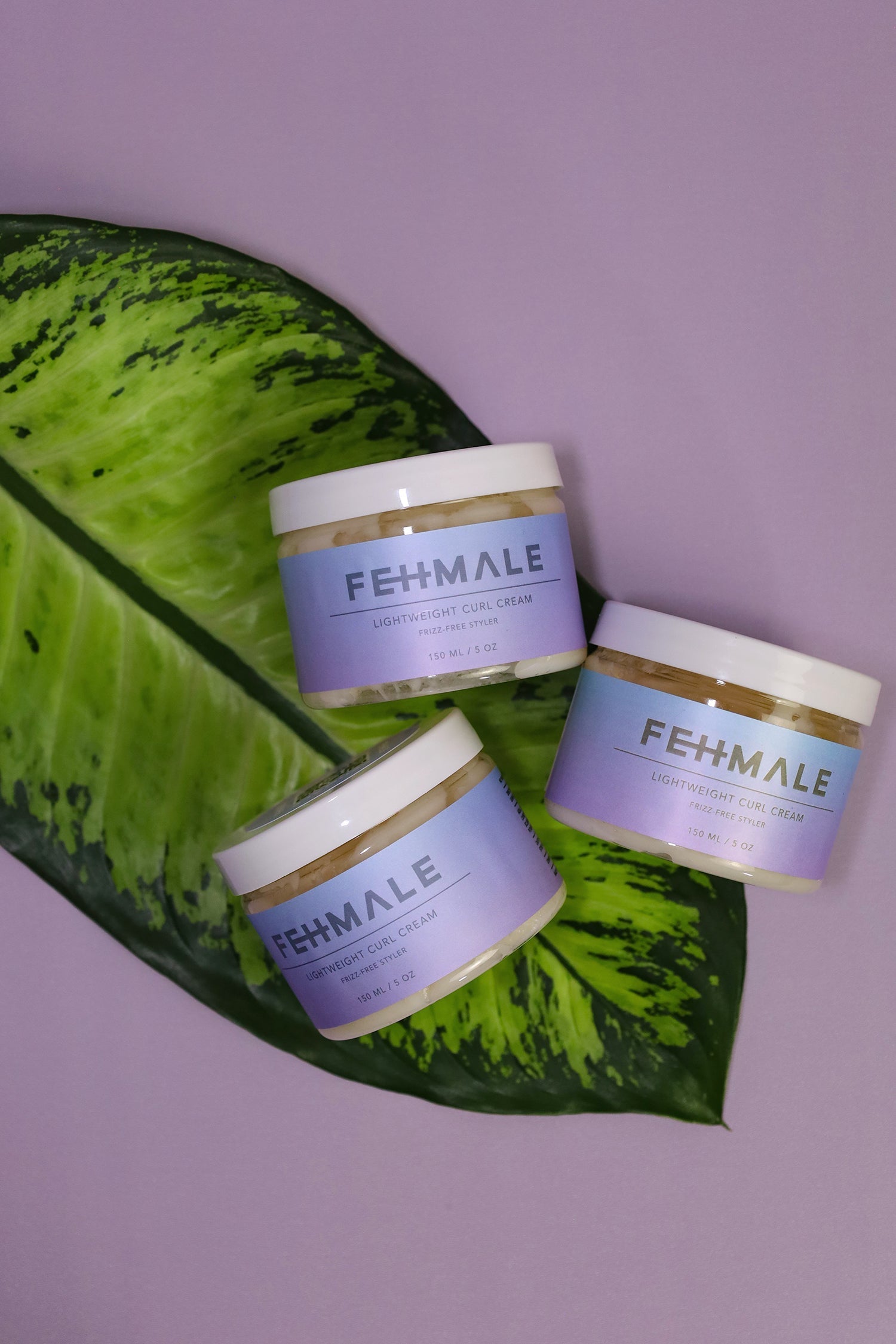
Healthy, beautiful curls start with the right care